 bbauer@beinj.com
 609-587-6322


When the power goes out, a backup generator can keep your New Jersey home comfortable, secure, and functional. But choosing the right generator isn’t as simple as looking at the size of your house and picking a unit from a chart.
The generator you need depends on how much electricity your home uses, which systems you want operating during an outage, and the electrical demands of those systems when they start up.
A properly sized generator provides dependable backup power without paying for more capacity than your home actually needs.
Start With What You Want to Keep Running
The first step in choosing a standby generator is deciding which parts of your home need power during an outage.
Some homeowners only want to maintain the essentials, such as:
- Refrigerator and freezer
- Lighting
- Heating and cooling controls
- Wi-Fi and home networking equipment
- Sump pump
- Well pump
- Garage door opener
- Security systems
- Selected kitchen appliances

Other homeowners want virtually everything in the house to continue operating normally. That could include central air conditioning, electric ranges, water heaters, multiple refrigerators, or other high-demand equipment.
The more electrical equipment you want available at the same time, the greater your generator capacity will need to be.
Generator Size Is Measured in Kilowatts
Backup generator capacity is generally expressed in kilowatts (kW). Smaller generators may be appropriate for a limited number of essential circuits, while larger standby units can supply power to much more of the home.
For example, a smaller generator might handle basic necessities such as lights, refrigeration, and certain heating equipment. A larger whole-home generator may be capable of supporting central air conditioning, cooking appliances, pumps, and other major electrical loads.
This is why there isn’t one generator size that automatically works for every 2,000- or 3,000-square-foot house.
Two homes with identical square footage can have very different electrical requirements.
Don’t Forget About Starting Wattage
One of the most important parts of generator sizing is understanding the difference between running power and startup power.
Many household appliances and mechanical systems use motors. A refrigerator compressor, sump pump, air conditioner, or furnace blower can require considerably more electricity for a short period when it starts.
A generator needs enough capacity to handle these temporary electrical demands without becoming overloaded.
That’s one reason an online calculator or simple square-footage estimate shouldn’t be the only factor used when selecting a standby generator.
Your Heating System Makes a Difference
The type of heating and cooling equipment in your home can significantly affect generator requirements.
A home using a gas furnace may have relatively modest electrical demands for heating because electricity primarily powers the blower and controls. A home relying on electric heat, heat pumps, or electric baseboard heating can require substantially more electrical capacity.
The same applies to air conditioning.
If you want your central AC system available during an outage, its electrical requirements need to be included in the generator load calculation.
Essential-Circuit vs. Whole-Home Backup
There are generally two approaches homeowners can take when planning standby power.
Essential Backup Power
An essential-load system is designed to keep the most important circuits operating. This can be a practical option if your primary concern is maintaining refrigeration, heating, lighting, communications, pumps, and other necessities.
Because fewer circuits are being supported, the generator may not need to be as large.
Whole-Home Backup
A whole-home system is designed to provide substantially more coverage and can allow your home to operate much like it normally would during an outage.
Depending on the home’s electrical demand, this can require a significantly larger generator.
The right choice ultimately comes down to your home’s electrical requirements and what you expect the generator to operate.
A Professional Load Calculation Takes the Guesswork Out
Rather than estimating your generator size based solely on square footage, a licensed electrician can perform a load calculation.
This process looks at the electrical equipment connected to your home’s system and determines how much capacity is required. The calculation can account for both normal operating loads and equipment that creates a temporary startup demand.
Your electrician can also evaluate your electrical panel and determine which circuits should be backed up.
This is particularly important for homes with:
- Central air conditioning
- Heat pumps
- Electric heating
- Well pumps
- Sump pumps
- Multiple HVAC systems
- Electric water heaters
- Large kitchen appliances
- Home offices
- Medical equipment
A professional assessment helps ensure the generator you purchase is capable of handling your home’s actual electrical requirements.

Generator Installation Involves More Than the Generator
Selecting the generator is only part of the project.
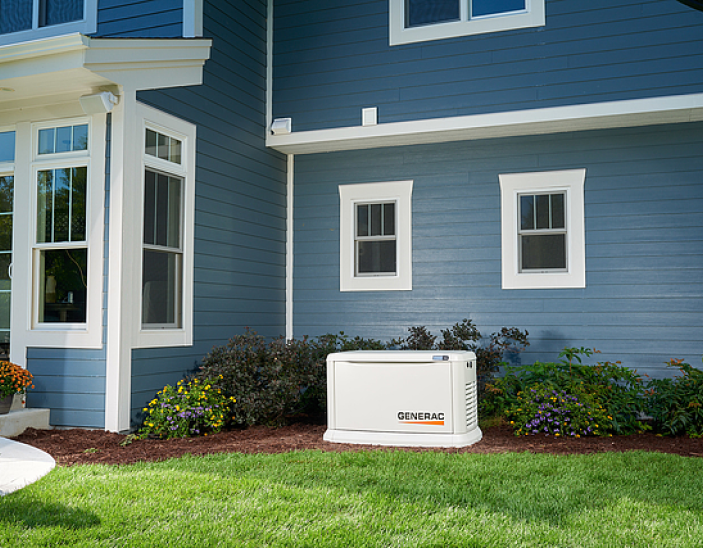
A standby generator installation may also involve an automatic transfer switch, generator pad, electrical connections, and fuel connections. The equipment must be installed in an appropriate location and in accordance with applicable electrical and local requirements.
The automatic transfer switch is especially important. It allows the generator to take over when utility power is interrupted and then return the home to utility power when service is restored.
Generator placement is another consideration. Required clearances can vary depending on local requirements, the property, and the equipment being installed.
Because requirements can differ between New Jersey municipalities, homeowners should verify applicable requirements before installation.
Does Your New Jersey Home Need a 10, 13, 18, or 22 kW Generator?
There isn’t a universal answer.
A home with gas heat, limited electrical loads, and a goal of powering only essential circuits may require considerably less capacity than a home with electric heat, central air conditioning, a well pump, and several large appliances.
That’s why generator sizing should be based on an electrical load calculation rather than simply choosing a generator based on the home’s square footage.
A professional can help determine whether a smaller standby generator will meet your needs or whether a larger whole-home system makes more sense.
Common Questions About Backup Generator Sizing
Can I choose a generator based on my home’s square footage?
Square footage can provide general context, but it shouldn’t be used by itself to determine generator size. Electrical equipment, heating and cooling systems, pumps, and other loads can vary significantly from one home to another.
Is a 5 kW generator enough for a house?
A 5 kW generator may be useful for a limited number of essential electrical loads, but it generally won’t provide the capacity required to operate an entire home with several major appliances.
Do I need a larger generator if I have central air conditioning?
Possibly. Central air conditioning can represent a substantial electrical load, particularly when the compressor starts. Its requirements should be included when calculating the generator capacity needed for your home.
What if I have a well or sump pump?
Both should be included when determining generator requirements. Because pumps use motors, their startup demand should also be considered.
Is a professional generator load calculation really necessary?
For a permanent standby generator, a professional calculation is the best way to determine the appropriate capacity for your specific home. It helps prevent choosing a system that is undersized for your electrical demands.
Get the Right Generator for Your Home
A backup generator is a significant investment, and choosing the right size is an important part of the installation process. Instead of relying on a generic chart or guessing based on square footage, have your home’s electrical requirements evaluated by a qualified professional.
Bauer Electric Inc. provides residential electrical services and generator installation throughout New Jersey. Our experienced electricians can evaluate your home’s electrical system, determine your backup power requirements, and help you select a generator that fits your needs.
If you’re considering standby generator installation for your New Jersey home, contact Bauer Gen Systems to discuss your project and request a professional evaluation. (609)-587-1195