 bbauer@beinj.com
 609-587-6322

Power surges are not always dramatic events. They can come from a distant lightning strike, a utility issue on the grid, or simply a large appliance cycling on and off. In a commercial building, the result is the same: sensitive electronics, computers, and equipment can be damaged in an instant. For facility managers in New Jersey, surge protection is one of the most practical ways to protect a building and the business operating inside it.
Surge protection devices, commonly called SPDs, are installed on the electrical system to limit the voltage that reaches equipment. When a surge occurs, an SPD helps redirect the excess energy before it can damage connected devices. The National Electrical Code has even begun to require surge protection in specific residential applications, which makes the topic relevant for anyone managing commercial property as well.
What Causes Power Surges in Commercial Buildings?
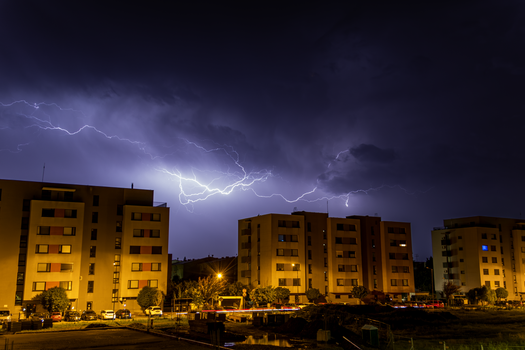
Surges can happen at any time. The most common causes include lightning, utility issues, and large appliances or equipment cycling on and off. Lightning is the most dramatic source. A strike near a building can send a powerful spike through power lines and into the electrical system. Utility issues, such as grid switching or faults on the local network, can also create sudden voltage changes that reach the building.
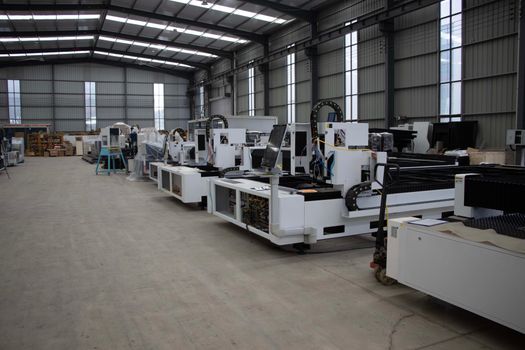
Large equipment inside the building is another source of surges. Commercial facilities rely on HVAC units, elevators, compressors, motors, and other heavy loads that start and stop throughout the day. Each time that equipment cycles, it can create a small surge on the electrical system. Individually, these surges may seem minor, but they add up over time. Repeated stress can shorten the life of electronics and leave equipment vulnerable to failure when a larger surge arrives.
What Is a Commercial Surge Protection Device?
A surge protection device is a component installed on the electrical system to prevent voltage spikes from reaching sensitive equipment. It is one of the most effective ways to protect a commercial building from power surges. Instead of allowing a spike to travel freely through the building, an SPD absorbs or redirects the excess energy before connected equipment is affected.
Commercial surge protectors typically provide multi-layer protection. That means they address risks on more than just the main power lines. A complete approach includes voltage spike prevention on power lines as well as data lines such as Ethernet and other communication cabling. Because modern businesses depend on networks, security systems, and connected devices, protecting data lines is just as important as protecting the electrical panel.
A tiered approach provides the most complete coverage. Surge protection can be placed at the service entrance, at distribution panels, and at the point where sensitive equipment connects. Devices are available that meet the latest National Electrical Code requirements, so facility managers can choose equipment designed for current safety standards.
How Surge Protection Helps Commercial Facilities
Surge protection safeguards the electrical systems, appliances, computers, and equipment that a business depends on every day. For business owners and facility managers, the value of that protection shows up in three areas: less costly damage, less downtime, and fewer unexpected repairs.
Consider what happens when a surge damages a point-of-sale system, a server, or a piece of production equipment. The business does not just pay for a replacement. It also loses time while the equipment is offline, and that lost time can be far more expensive than the device itself. Surge protection reduces the risk of those interruptions by stopping the spike before it reaches the equipment.
Commercial buildings also contain more electrical load than a typical home. More equipment means more opportunities for surges and more devices at risk. A facility manager who takes surge protection seriously is protecting the building’s electrical infrastructure as well as every device plugged into it.
Surge Protection and the National Electrical Code
The National Electrical Code is the baseline for safe electrical installation in the United States. Under the 2020 edition of the code, Article 230.67 requires all services supplying dwelling units to be provided with a surge protective device. That device must be a Type 1 or Type 2 SPD, and it can be an integral part of the service equipment or located immediately adjacent to it. The requirement also applies when residential service equipment is replaced.
Facility managers often ask whether the same requirement applies to commercial buildings. The code language found in the research specifically addresses dwelling units. Requirements for commercial projects can depend on the type of occupancy, the edition of the code adopted in New Jersey, and any local amendments. Because those details vary from project to project, it is wise to verify current requirements with a licensed electrical contractor or the local authority having jurisdiction before making changes.
Surge Protection Services for New Jersey Commercial Properties
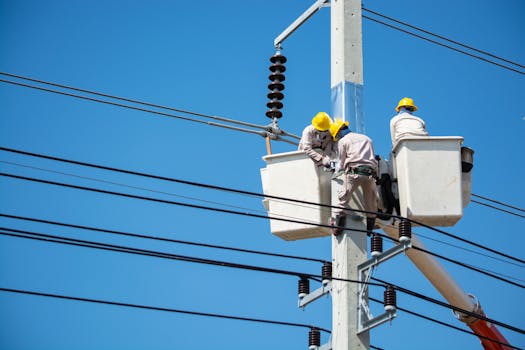
New Jersey property owners have access to electrical contractors that offer surge protection solutions. One contractor in Mercer County, for example, provides whole-house and commercial surge protection that safeguards electrical systems, appliances, computers, and equipment from power surges. Their goal is to help both homeowners and business owners reduce costly damage, downtime, and unexpected repairs.
Lightning protection is a related but separate service. A New Jersey company that installs lightning protection systems for residential and commercial properties describes itself as the state’s go-to expert in that field. A lightning protection system manages the risk of a direct strike, while a surge protection system manages the voltage spikes that can enter the building through power and data lines. The two systems work together to protect a commercial property from different parts of the same threat.
Facility managers searching for surge protection for commercial buildings in New Jersey can start by contacting an electrical contractor that provides these services. For those in central New Jersey and eastern Pennsylvania, a full-service electrical contractor can help evaluate the property and recommend the right approach. Bauer Electric Inc., based in Ewing, New Jersey, has served the region since 1973. The company provides turnkey electrical solutions, engineering design, and Generac generator installation for commercial, industrial, and residential clients. A contractor with that depth of experience can review the building’s electrical system and guide facility managers toward surge protection that fits the facility’s needs.
Frequently Asked Questions
Is surge protection required in commercial buildings?
The research available does not confirm a universal requirement for commercial buildings. NEC 2020 Article 230.67 requires a Type 1 or Type 2 surge protective device for services supplying dwelling units. Requirements for commercial projects can depend on the building type, the adopted code edition, and local amendments. A licensed electrical contractor or the local authority having jurisdiction can confirm what applies to a specific facility.
Do new commercial buildings have surge protection?
New commercial buildings may include surge protection as part of the electrical design, but the research does not state a specific requirement for all commercial projects. Because codes are updated over time and New Jersey may adopt amendments, the safest path is to have the design engineer or electrical contractor include surge protection in the plans and verify that the design complies with the code edition enforced in that location.
What does a commercial surge protector protect against?
A commercial surge protector helps protect electrical systems, appliances, computers, and other equipment from power surges. Surges can be caused by lightning, utility issues, or large appliances cycling on and off. Commercial surge protectors provide multi-layer protection, including voltage spike prevention on power lines and on data lines such as Ethernet and other communication cabling.
How can a facility manager arrange surge protection in New Jersey?
Facility managers can contact an electrical contractor that offers commercial surge protection solutions. Several New Jersey contractors provide whole-house and commercial surge protection to safeguard equipment and help reduce costly damage, downtime, and unexpected repairs. A contractor can assess the building’s electrical system, explain any applicable code requirements, and recommend the surge protection approach that is appropriate for the property.