 bbauer@beinj.com
 609-587-6322

A generators transfer switch is important to have set up to your control panel for anyone that has a backup device. Imagine the power going out, will you do the switch manually or would you like the transfer switch to be automatic? The transfer switch is the device that transfers from the main line or from the generator, it ensures your house is powered by only one source at a time, the grid or the generator.
This prevents both sources from feeding power simultaneously.
This guide explains the core operation and the different types available. It also covers what you should know before transfer switch installation in 2026.
What a Transfer Switch Does
During a power outage, a transfer switch physically disconnects your home from the utility grid and connects it to your generator. When utility power returns, the switch reverses the process, reconnecting your home to the grid and disconnecting the generator. This seamless switching prevents a dangerous condition known as backfeeding.
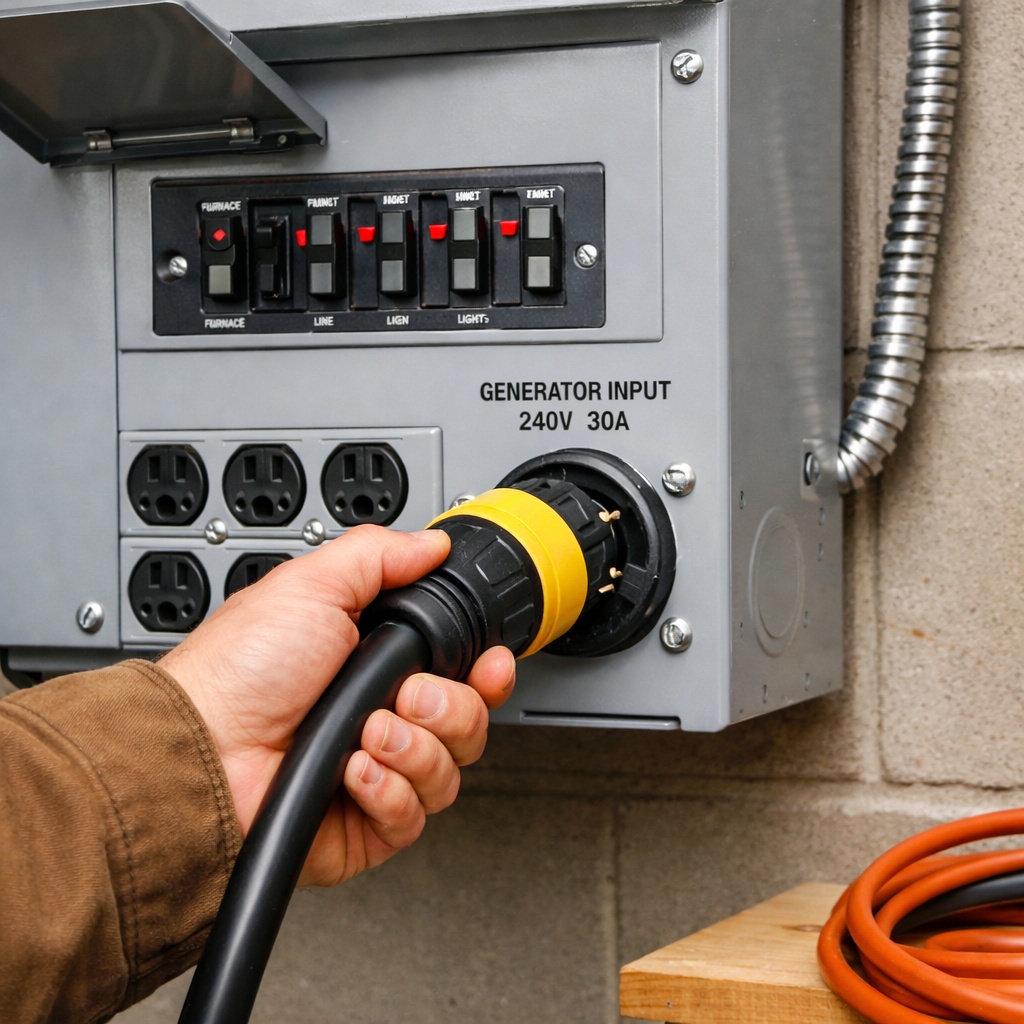
Backfeeding happens when a generator is plugged directly into a standard wall outlet. Electricity from the generator flows backward through the house wiring and out to the utility lines, where it can electrocute utility workers, damage electronics, and cause fires. For this reason, plugging a generator into a home outlet is illegal and unsafe. The National Electrical Code (NEC) requires a three-position transfer switch with LINE, OFF, and GENERATOR positions to prevent backfeeding.
Manual vs. Automatic Transfer Switches
There are two main types of transfer switches: manual and automatic. Each serves a different use case, and your choice depends on the type of generator you own and how often you experience outages.
Manual Transfer Switch
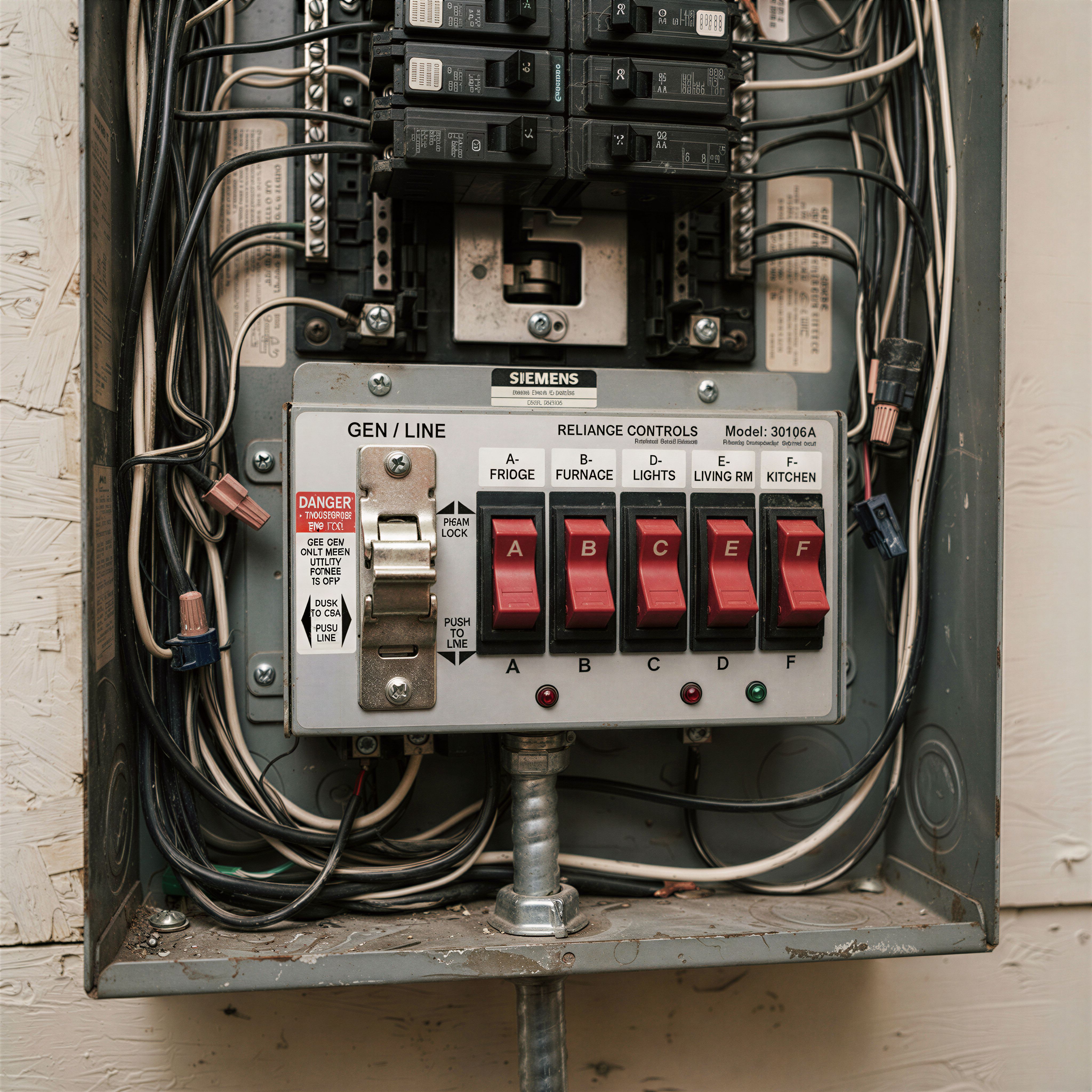
A manual transfer switch requires you to be present during an outage. When the power goes out, you start your portable generator, then go to the transfer switch panel and flip the switches manually to move from utility power to generator power. When grid power returns, you repeat the process in reverse. These switches are simpler and more affordable, with equipment costs ranging from $200 to $600. They work best for portable generators and homes where outages are infrequent.
Automatic Transfer Switch (ATS)
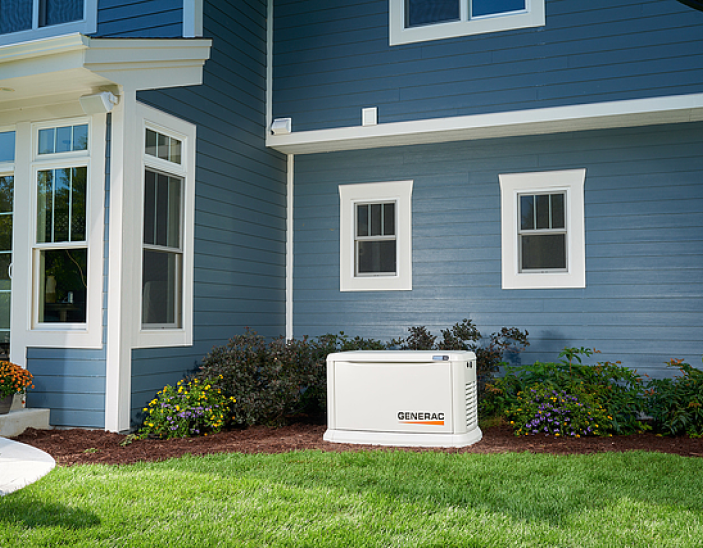
An automatic transfer switch (ATS) does the work for you. It constantly monitors utility power. When it detects a loss of power, it automatically signals the generator to start. Once the generator is running and stable, the ATS transfers the electrical load from the grid to the generator. When utility power is restored, the ATS switches back and tells the generator to shut down after a cool-down period. ATS units are more expensive, between $600 and $2,000 or more, and are typically paired with permanently installed standby generators. They are ideal for homes in areas with frequent outages or for facilities that need uninterrupted power.
Cost of a Transfer Switch Installation
The price you pay depends on whether you choose a manual switch, an automatic switch, or an alternative called an interlock device. Below is a comparison of typical equipment and installation costs based on current market data.
An interlock device is a metal bracket that fits over your main electrical panel. It physically prevents the main breaker and the generator breaker from being turned on at the same time. While cheaper than a dedicated transfer switch, an interlock may not be accepted by all local building codes. For example, interlock kits are illegal in Canada. Always check with a licensed electrician before choosing this option.

What Can a Transfer Switch Power?
Without a transfer switch, you can only plug small electronics directly into a generator using extension cords. Hardwired appliances such as a water heater, well pump, or central heating system cannot be powered this way. A transfer switch allows you to connect these permanent fixtures directly to your generator, giving you a much more useful backup power system during an outage.
To power a mid-sized portable generator, you typically need a 220-volt outlet wired to the transfer switch. The switch can be sized to match your generator’s output, for example, a 30-amp switch for a generator producing 5,000 to 7,500 watts, or a 50-amp switch for larger units. An electrician can help you select the right size for your needs.
Safety and Legal Requirements
As mentioned, the National Electrical Code (NEC) mandates a three-position transfer switch to prevent backfeeding. This requirement applies in all U.S. states, though local amendments may add extra rules. In New Jersey and Pennsylvania, state and local codes align with the NEC but can include additional inspection and permitting requirements. For example, both states typically require a permit and inspection for a new generator transfer switch installation, and some municipalities may enforce stricter rules than the baseline NEC. An interlock device may satisfy the code in some jurisdictions, but not all. Purchasing and installing any transfer switch or interlock should always be done by a qualified electrician who understands local codes, including those specific to New Jersey and Pennsylvania.
Remember that even with a transfer switch, you must follow generator safety basics: never operate a generator indoors or in an enclosed space, keep it dry, and let it cool before refueling.
Frequently Asked Questions
What is the difference between a manual and an automatic transfer switch?
A manual transfer switch requires you to flip switches by hand when the power goes out and again when utility power returns. An automatic transfer switch detects the outage, starts the generator, and transfers the load without any human action. Manual switches offer a more budget-friendly option, while automatic switches provide greater convenience and are typically a larger investment.
Can I use a generator without any transfer switch?
You can only power devices by plugging them directly into the generator using extension cords. You cannot power hardwired appliances like a well pump or furnace. More importantly, plugging a generator into a wall outlet is illegal and extremely dangerous due to backfeeding, which can electrocute utility workers and cause fires.
How much does it cost to install a transfer switch?
When comparing the three switch types, the cost difference comes down to the level of automation and installation complexity. A manual transfer switch is the most budget-friendly option, since you operate it by hand and it requires a simpler setup. A manual transfer switch with more circuits or higher amperage costs more than a basic model, but it still avoids the expense of automatic controls. An automatic transfer switch is the most expensive of the three, because it includes a control panel, sensors, and a more involved installation to monitor utility power and start your generator on its own. The gap between the manual and automatic options reflects those added features and labor, so your final choice depends on how much convenience you want versus what you are comfortable spending.
Is an interlock device legal everywhere?
No. Interlock kits are not universally legal in the United States, and their acceptance varies by state and local building code. In New Jersey and Pennsylvania, for example, the rules differ: some jurisdictions in these states accept interlock devices as meeting code requirements, while others require a dedicated transfer switch to comply with the National Electrical Code and state-specific amendments. Always consult a licensed electrician who is familiar with New Jersey or Pennsylvania regulations and industry standards before choosing an interlock.
Do I need a transfer switch for a portable generator?
Yes, if you want to power hardwired circuits in your home. A transfer switch lets you connect a portable generator to your home’s electrical panel safely. Without one, you are limited to extension cords. For safety and code compliance, a transfer switch or approved interlock device is the correct way to connect any generator to your home wiring.
Understanding how a generator transfer switch works helps you make an informed decision about backup power for your home. Whether you choose a manual switch for your portable generator or an automatic switch for a standby unit, the key is to ensure that the installation is done by a professional electrician who follows the National Electrical Code and local requirements. This investment protects your family, your appliances, and the utility workers who restore your power.