 bbauer@beinj.com
 609-587-6322

New Jersey homeowners know the value of reliable electrical systems, especially after storms that can knock out power to tens of thousands of homes. A whole-home surge protector installed at the main electrical panel can shield every circuit, from your HVAC unit to your home office equipment, from dangerous voltage spikes. While many people rely on plug-in power strips for individual electronics, those strips cannot protect wiring, outlets, or hardwired appliances. Whole-home surge protection offers a first layer of defense that covers your entire property.
What Is Whole-Home Surge Protection?
A whole-home surge protector is a device installed directly at the electrical panel. It continuously monitors incoming voltage. When a spike, from lightning, utility switching, or a neighbor’s equipment, exceeds a safe threshold, the protector diverts the excess voltage to the home’s grounding system. For a standard 120 VAC system, clamping typically occurs around 600 V. This action prevents the surge from traveling through your home’s wiring and damaging sensitive electronics, appliances, and the panel itself.
Unlike plug-in power strips, which only protect the single device plugged into them, a whole-home surge protector safeguards everything connected to your electrical system, including hardwired items such as your furnace, well pump, and range.
Whole-Home Surge Protection Costs in New Jersey
The cost of installing whole-home surge protection in New Jersey depends on the device, labor, and whether your panel needs an upgrade. Based on pricing from local service providers, here is what you can expect. Costs can vary.
| Cost Component | Typical Range |
|---|---|
| Surge Protective Device (SPD) unit | $100 – $400 |
| Labor for installation | $200 – $500 |
| Panel upgrade (if needed) | $300 – $1,200 |
| Permits and inspections | $50 – $200 |
For central New Jersey, some contractors quote a bundled installed price of $300 to $600 for a standard installation without panel upgrades. Total project cost varies because each home’s electrical panel and local jurisdiction fee structure are different. In many cases, a free estimate from a licensed electrician like Bauer Electric in Ewing New Jersey is the best way to get an accurate number for your home.
Installation Process and Time
A whole-home surge protector installation typically takes one to three hours. Many contractors in New Jersey complete the job in under two hours for straightforward setups. The device is mounted near the main breaker panel and wired into the system. If your panel is older or lacks an available breaker space, a panel upgrade may be required, which adds to the overall timeline.
After installation, a local electrical inspector may need to review the work. Permit fees and inspection processes vary by municipality, so it is wise to ask your electrician about local requirements.
Why Whole-Home Surge Protection Matters for New Jersey Homes
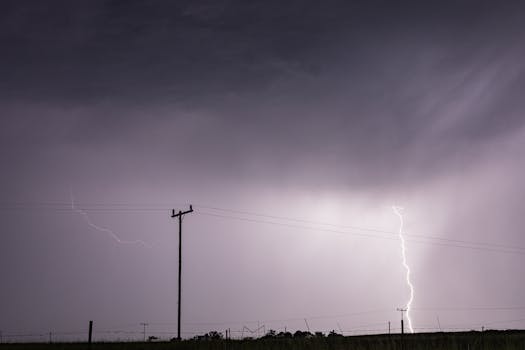
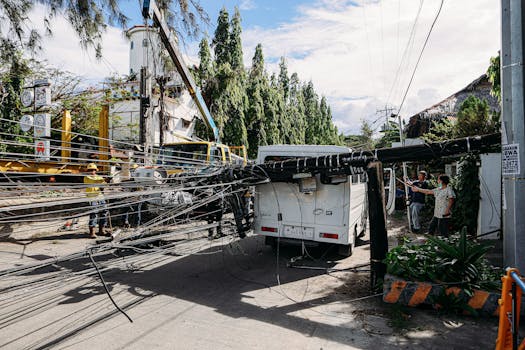
New Jersey experiences its share of severe weather. One July storm knocked out power to more than 49,000 JCP&L customers in Monmouth and Ocean counties alone. Power outages often come with surges when electricity is restored, and even small, repeated surges can slowly degrade your home’s electronics and appliances. Whole-home surge protection is designed to clamp those spikes instantly, reducing the risk of damage to your property.
Beyond weather-related events, surges can also originate from within your home, when large appliances like air conditioners or sump pumps cycle on and off. A whole-home protector handles both external and internal surges, offering comprehensive coverage.
Code Requirements: When Surge Protection Is Mandatory
According to the National Electric Code (NEC), whole-home surge protection is required when you upgrade an electrical system or build a new home. This means if you are replacing your panel, adding a service upgrade, or constructing a new residence, your electrician will likely include a surge protective device as part of the required work. For existing homes that are not undergoing any electrical upgrades, the NEC does not currently mandate whole-home surge protection, but many homeowners choose to add it as an affordable safety upgrade.
It is always a good idea to confirm the latest local building codes with your electrician or municipal building department before scheduling work.
Whole-Home vs. Plug-In Surge Protection
Many households use plug-in power strips with built-in surge protection for computers, TVs, and other electronics. These devices are useful for point-of-use protection, but they have limits.
| Feature | Whole-Home Surge Protector | Plug-In Surge Protector |
|---|---|---|
| Installation location | Main electrical panel | Individual outlet |
| Devices protected | All circuits, including hardwired appliances and HVAC | Only devices plugged into that strip |
| Protects wiring and outlets | Yes | No |
| Blocks surges from entering through wiring | Yes | Can only protect downstream |
| Typical lifespan | Varies by usage; protectors can wear out after multiple surges | Often shorter, with indicator lights showing status |
Whole-home surge protection acts as the first line of defense. Plug-in strips add a second layer for your most sensitive devices, but they cannot prevent surges from traveling through your home’s wiring to hardwired equipment. For full protection, both layers are recommended.

Additional Benefits of Whole-Home Surge Protection
Installing a surge protector at the panel can reduce the risk of electrical fires caused by voltage spikes. By safely diverting excess current to ground, the device prevents overheating in wires and components. Some systems offer both indoor and outdoor installation options, giving homeowners flexibility based on their panel location and property layout. Because the protector is installed by a licensed electrician and often inspected by local authorities, code compliance is ensured from the start.
Many homeowners find that the peace of mind from protecting their expensive appliances, electronics, and electrical system is well worth the modest investment.
Frequently Asked Questions
How long does a whole-home surge protector last?
Lifespan depends on the number and severity of surges it absorbs and the device’s quality. Many units have indicator lights that show when the protection has degraded. You should have your electrician inspect the device periodically and replace it if it has sacrificed itself after a major event.
Do I still need plug-in surge protectors if I have whole-home protection?
Yes, plug-in surge protectors are still useful as a secondary layer for sensitive electronics like your television, computer, and gaming console. Whole-home protectors handle large surges, but plug-in devices provide close-range protection for delicate equipment. Using both creates the most thorough defense.
Is whole-home surge protection required for older homes in New Jersey?
Current NEC requirements apply only when you perform an electrical system upgrade or build a new home. Existing homes not undergoing upgrades do not have to add whole-home surge protection by code. However, many homeowners choose to install it voluntarily to protect their property.
Does homeowners insurance cover surge damage?
Policies vary widely. Some insurers may offer discounts for whole-home surge protection, while others may cover surge damage under certain conditions. It is best to review your policy and speak with your insurance agent to understand what is and is not covered.
Can I install a whole-home surge protector myself?
This work involves connecting to your main electrical panel, which carries lethal voltages. Most local codes require a licensed electrician to perform the installation and obtain the necessary permits. Professional installation also ensures the device is correctly sized and wired for your system.
Call a trusted electrician in New Jersey. Call Bauer Electric
Since 1973, Bauer Electric Inc. has been the go-to electrical contractor for commercial, industrial, and residential projects throughout the region. What started as a small family business has grown into a full-service electrical services company with a reputation for quality, reliability, and professionalism.
Our team of licensed electricians brings decades of combined experience to every project. Whether it’s a complex industrial installation, a commercial building retrofit, or a residential service upgrade, we approach each job with the same commitment to excellence.
As a certified Generac contractor, we specialize in generator installation and maintenance, ensuring our clients have reliable backup power when they need it most.